Reference Photo Tips
Pet Portraits Image Guidelines
The most important part of your order — crucial to the quality of the final pet portrait — is the quality of the photo you provide. Follow these tips to make sure yours is just right.
Bright, Natural Light
Take or choose a photo in daylight or a brightly lit room. Avoid harsh shadows across the face.
High-Quality Photo
Use a smartphone camera or DSLR in the highest resolution. Blurry or pixelated images reduce detail.
Eye Level & Facing Forward
Photograph your pet at eye level, looking directly at the camera. Other angles work, but your pet will be drawn in that pose.
Unfiltered & True to Color
Avoid filters or heavy editing so we capture your pet's true coloring and markings.
Great Examples

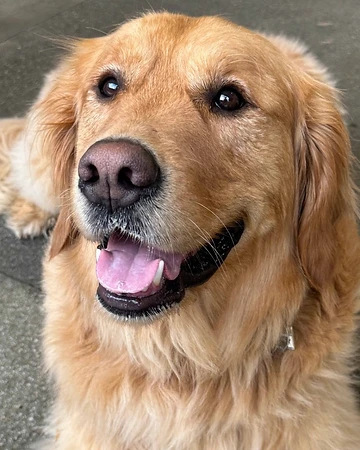
- Pet facing camera at eye level
- Bright, even lighting
- Face & neck clearly visible

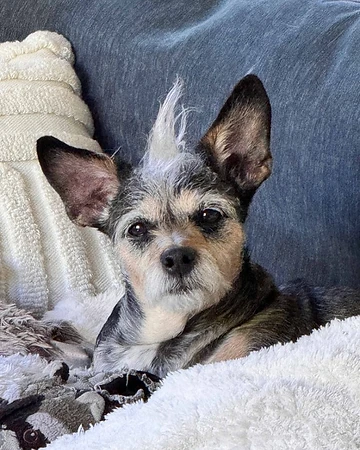
- Sharp, high-resolution photo
- Natural daylight
- Whole head in frame
Avoid These

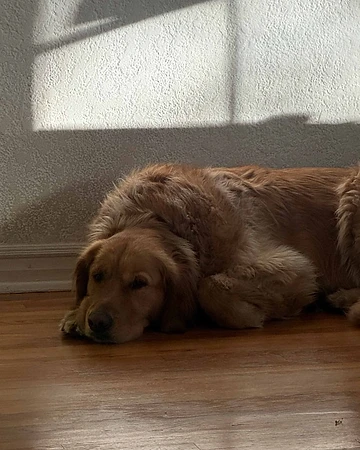
- Harsh shadows across the face
- Low lighting & uneven exposure
- Head obscured in shadow

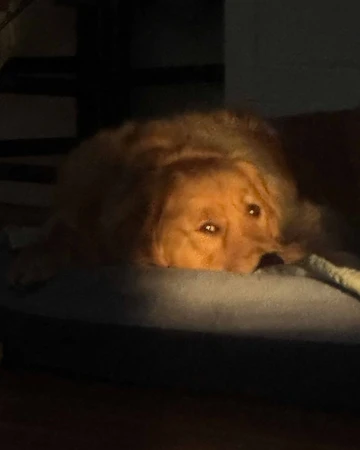
- Very dark, grainy photo
- Most of the body hidden in shadow
- Lacks detail and clarity
Not sure if your image will work?
Email your image to us at rubenstudiogallery@gmail.com and we'll let you know. We often create portraits of pets that have passed away, so we understand it's not always possible to follow every guideline — in many cases, we can still make it work.
Please note: collars, leashes, bows, hats, and other accessories will not be illustrated in your final portrait.